Loc techniques, explained
The right loctician starts with the right method. Here is how each technique works, who it suits, and how often it needs maintenance.
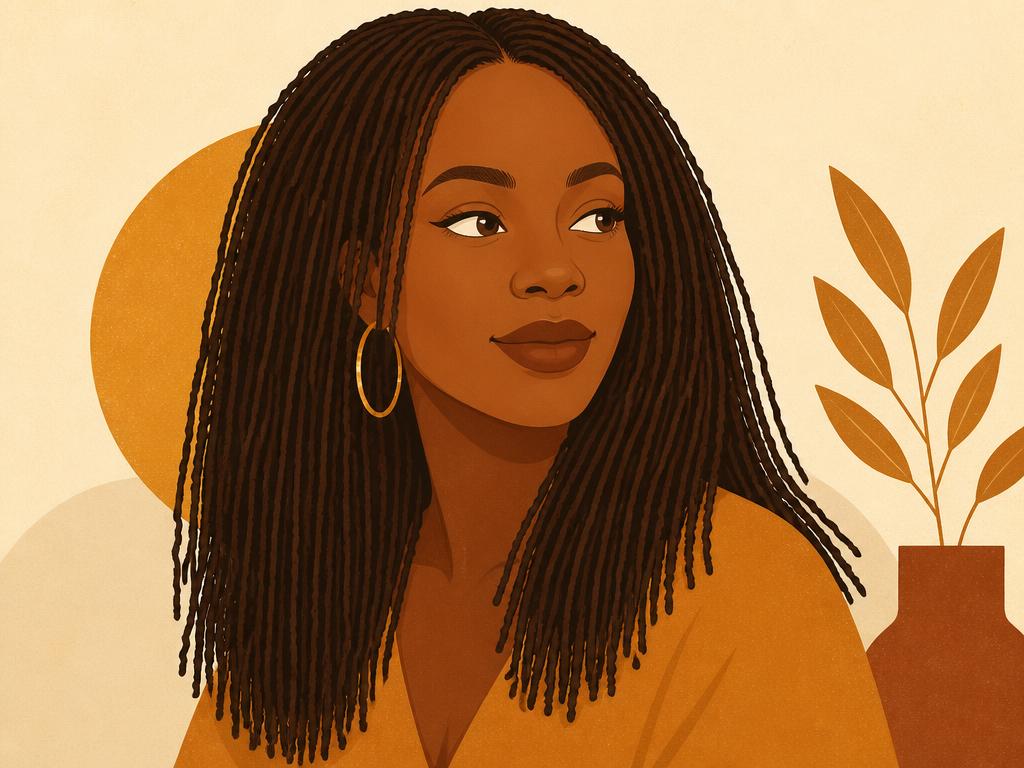
Sisterlocks
Sisterlocks are very small, uniformly parted locs created with a patented interlocking pattern and installed only by trained consultants. They give fine to medium hair maximum versatility — you can curl, roll, and style them like loose hair.
Read the guide
Brotherlocks
Brotherlocks use the same interlocking method as Sisterlocks with a slightly larger loc size and parting grid, tailored to men's density, shorter lengths, and lower-maintenance routines.
Read the guide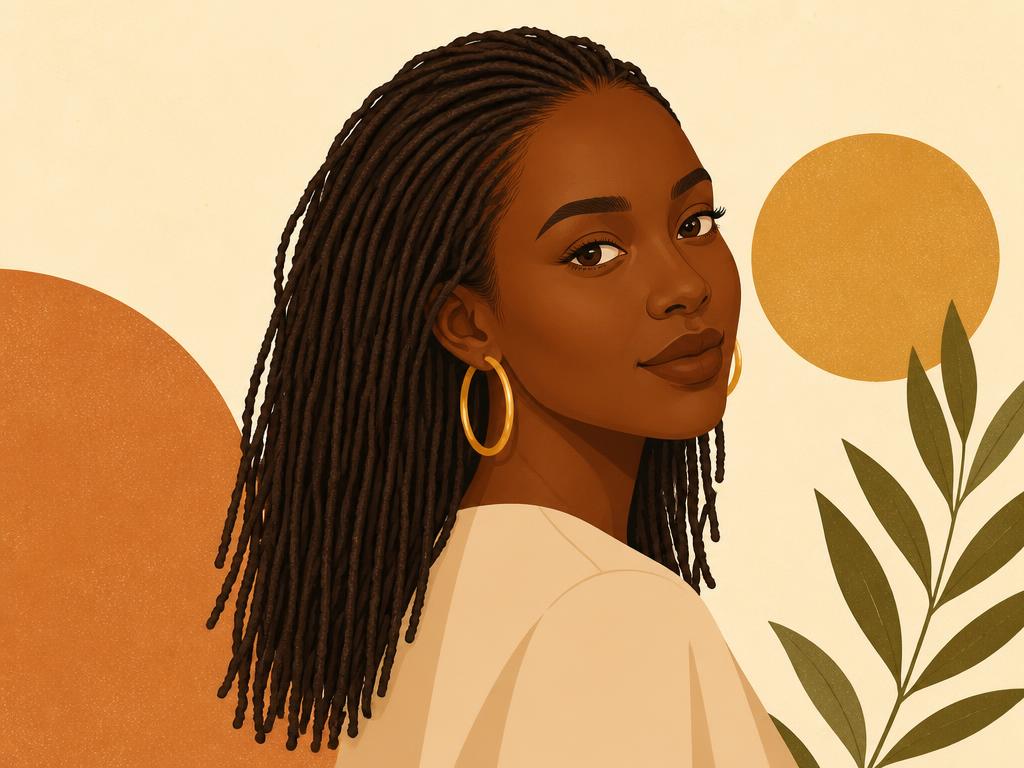
Microlocks
Microlocks (also called micro locs or nano locs) are small locs that can be started with an interlocking tool, a braid base, a two-strand twist, or coils. Because the technique is not trademarked, locticians have more freedom with sizing, parting, and pricing.
Read the guide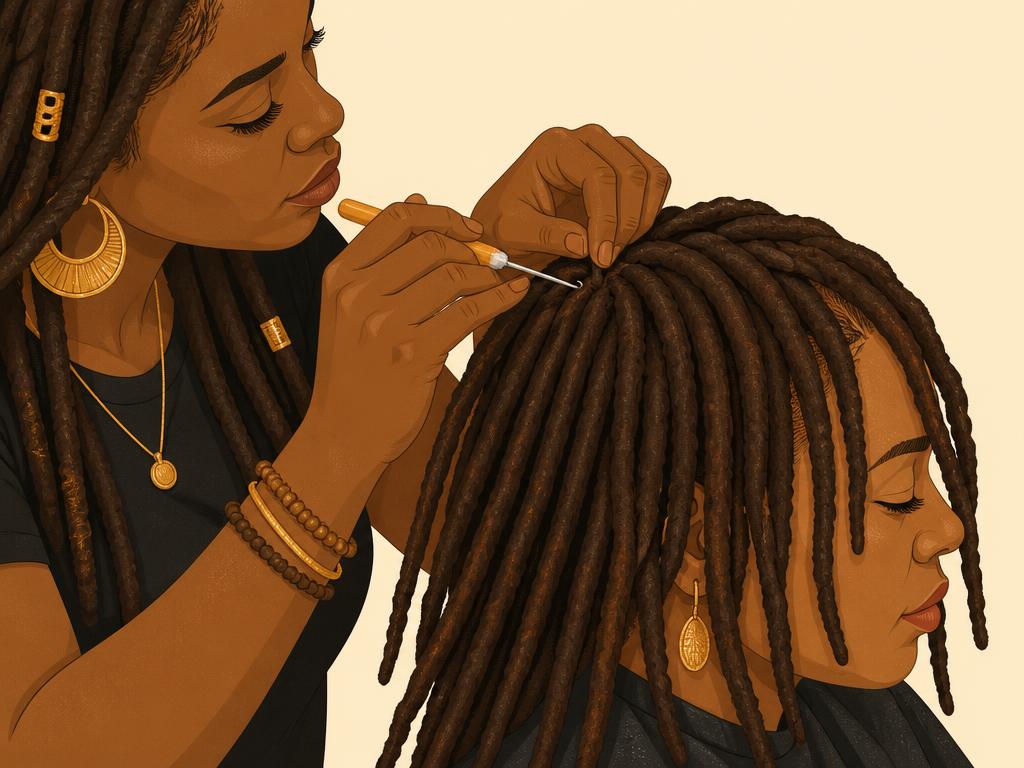
Crochet & Interlocking
The crochet method uses a fine latch hook to pull loose hairs back into the loc, compressing and sealing it. Interlocking rotates the loc through its own root to close the new growth. Together they are the fastest way to tidy locs, repair thinning roots, and mature starter locs.
Read the guide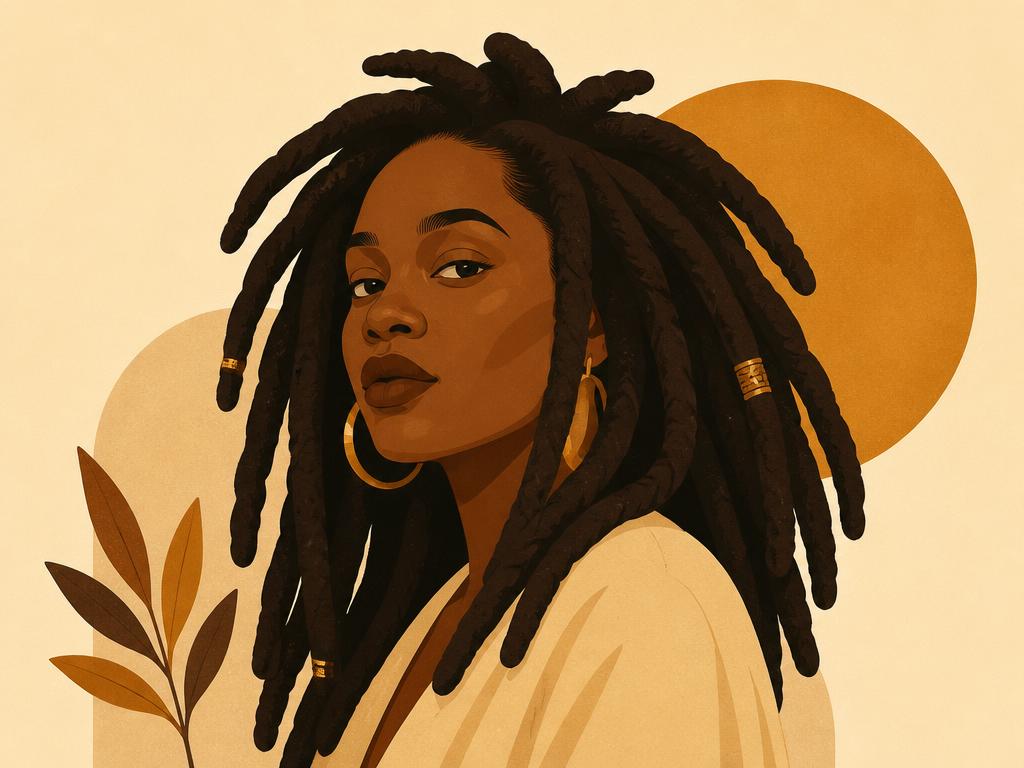
Traditional & Freeform Locs
Traditional locs are started with comb coils, two-strand twists, or braids and maintained by palm rolling. Freeform locs are allowed to mature with minimal manipulation. Both are the most common loc styles across the network.
Read the guide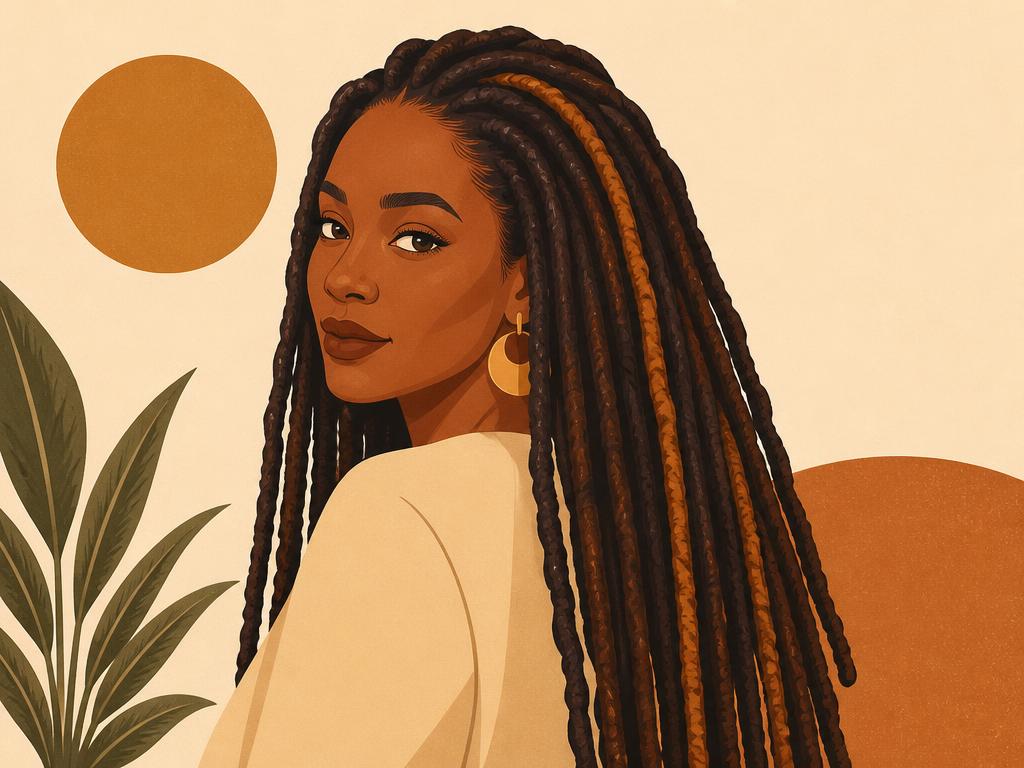
Loc Extensions & Retwist
Loc extensions add instant length and fullness using human hair attached by crochet, braid-in, or wrap methods. Retwist service keeps existing locs neat, defined, and photo-ready.
Read the guide